Unisound and USTC Joint Teams Win Three First Places and One Second Place Plus a Best Paper Award at ACM MM 2026
The 34th ACM International Conference on Multimedia (ACM Multimedia 2026, or ACM MM 2026) was held in Rio de Janeiro, Brazil, from November 10 to 14, 2026. Joint teams of researchers from the University of Science and Technology of China (USTC) and Unisound AI Technology Co., Ltd. delivered strong performances in international challenges held alongside the conference, winning one Best Paper Award, three first places and one second place. Four papers presenting the award-winning solutions were accepted for publication at ACM MM 2026.
MAC 2026 Teams Take First Place in Both Micro Action Analysis Tracks and Win Best Paper Award
At the 3rd Micro-Action Analysis Grand Challenge (MAC 2026), a research team comprising Unisound researchers and USTC graduate students, supervised by Associate Professor Jun Yu, won first place in both Micro-Action Recognition (Track 1) and Multi-Label Micro-Action Detection (Track 2). The paper presenting the Track 1 solution also received the challenge’s Best Paper Award.
To address the subtlety of micro-actions, high similarity between classes and severe long-tailed class distributions, the team developed a hierarchical soft fusion and candidate label reranking approach, taking first place in Track 1 with an F1mean score of 0.7999. To tackle the challenge of detecting multiple overlapping micro-actions in untrimmed videos, the team proposed temporal adapter pyramids with cross-layer fusion, winning Track 2 with an average mAP of 27.04%.
The two winning solutions were presented in “SoftRerank: Hierarchical Soft Fusion with Candidate Label Reranking for Long-Tailed Micro-Action Recognition” and “Temporal Adapter Pyramids with Cross-Layer Fusion for Multi-Label Micro-Action Detection.” Both papers were accepted for publication at ACM MM 2026.
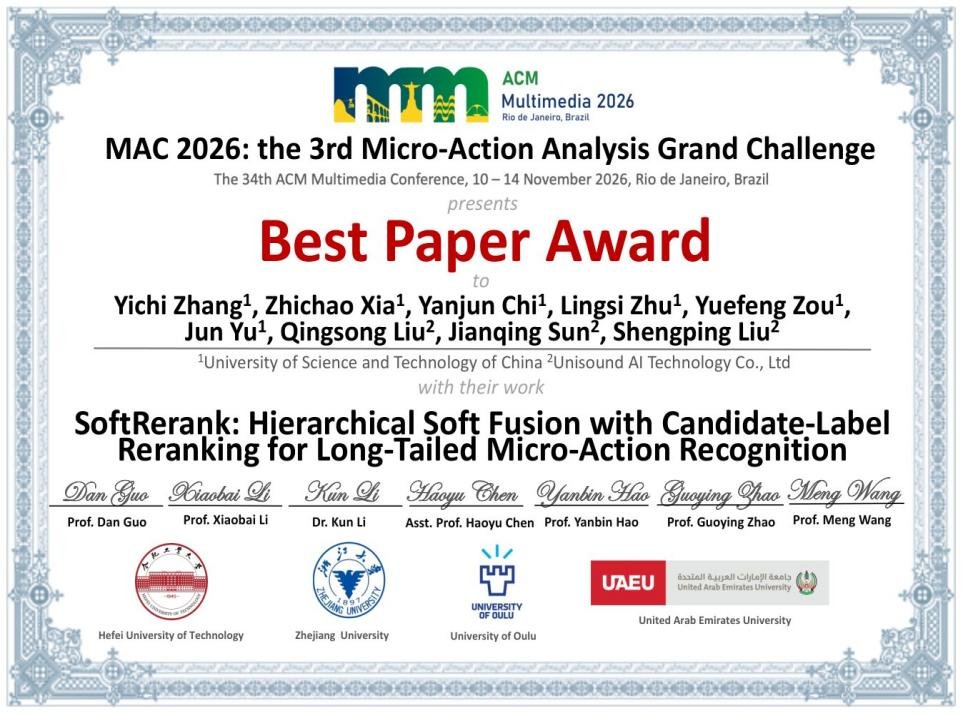
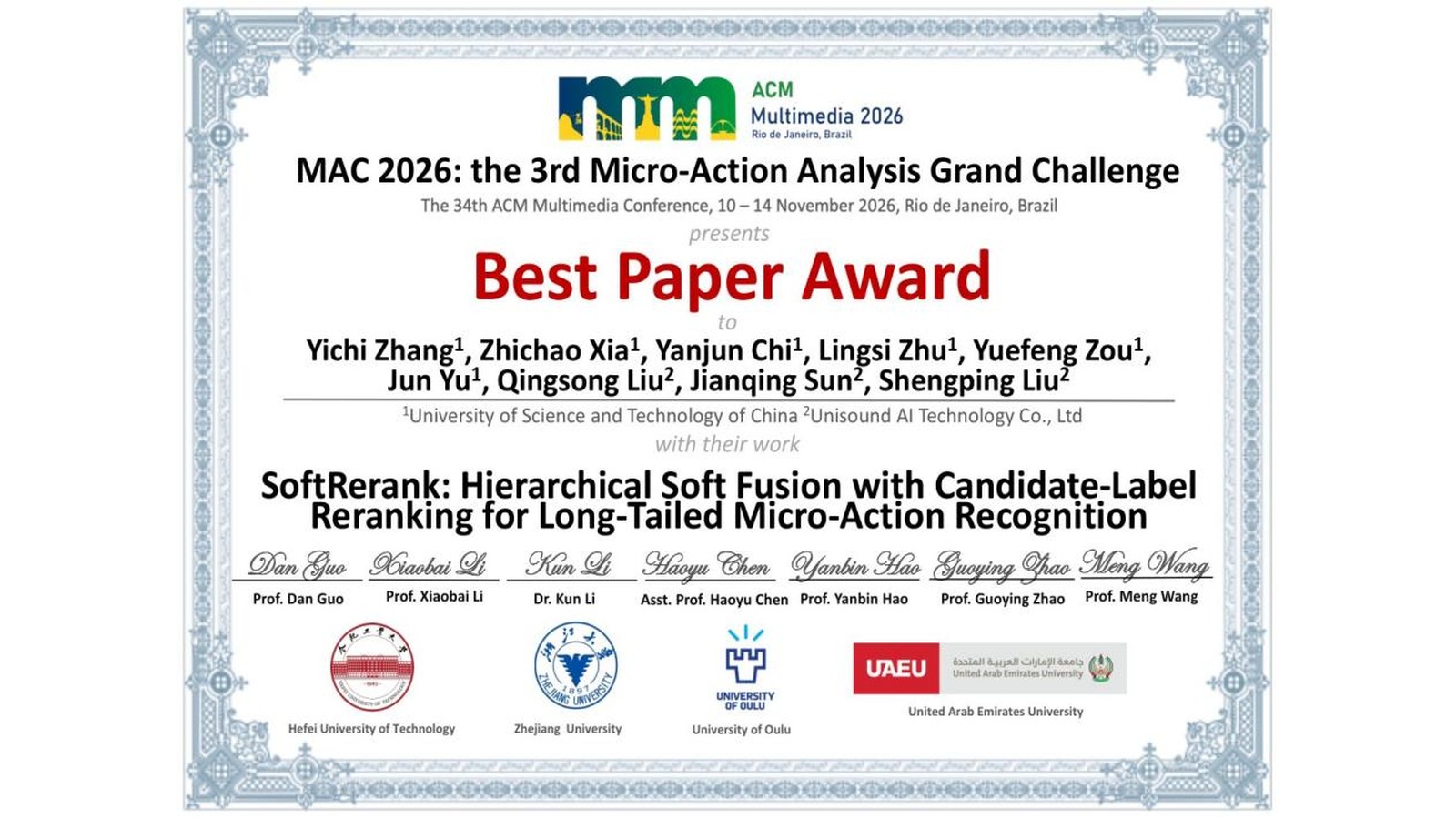
Figure 1. Best Paper Award certificate for the MAC 2026 Micro-Action Analysis Grand Challenge
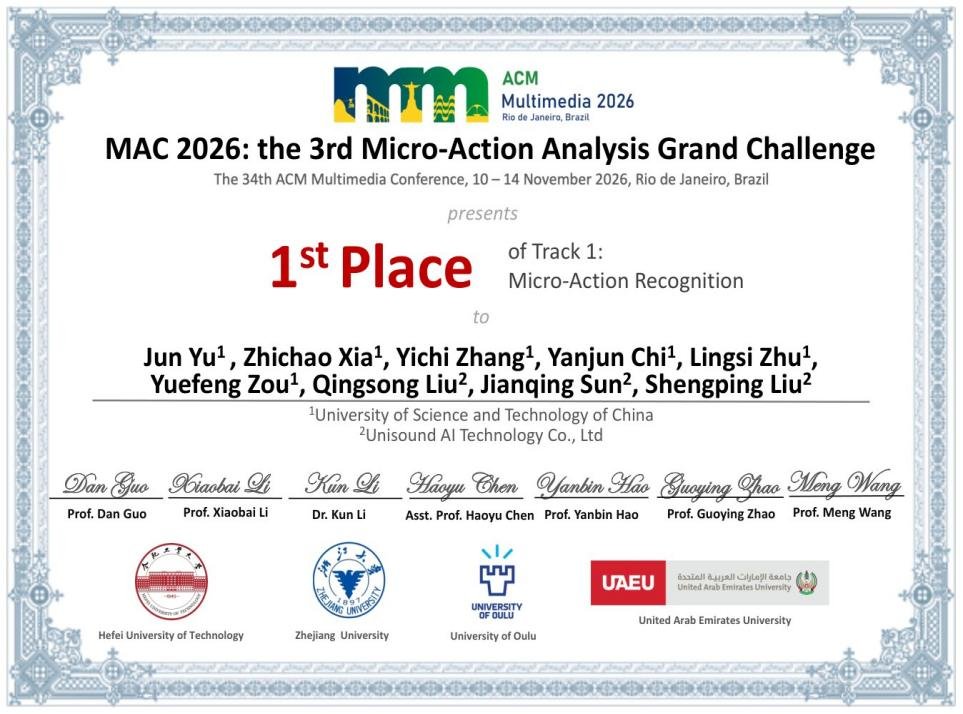
Figure 2. First-place certificate for MAC 2026 Micro-Action Recognition (Track 1)
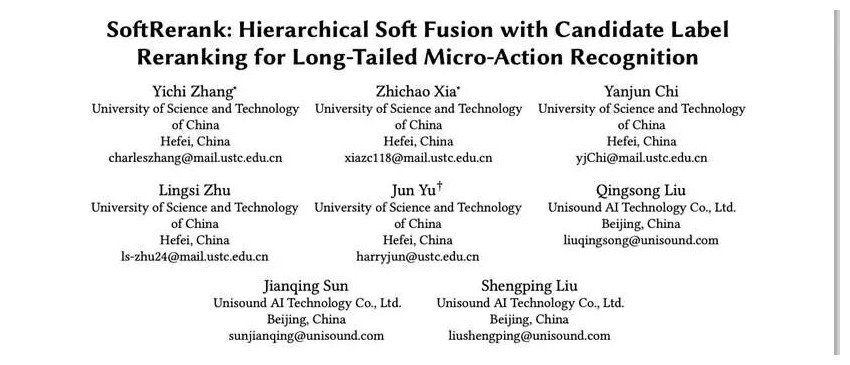
Figure 3. First page of the SoftRerank paper on the MAC 2026 Track 1 winning solution, which also received the challenge’s Best Paper Award
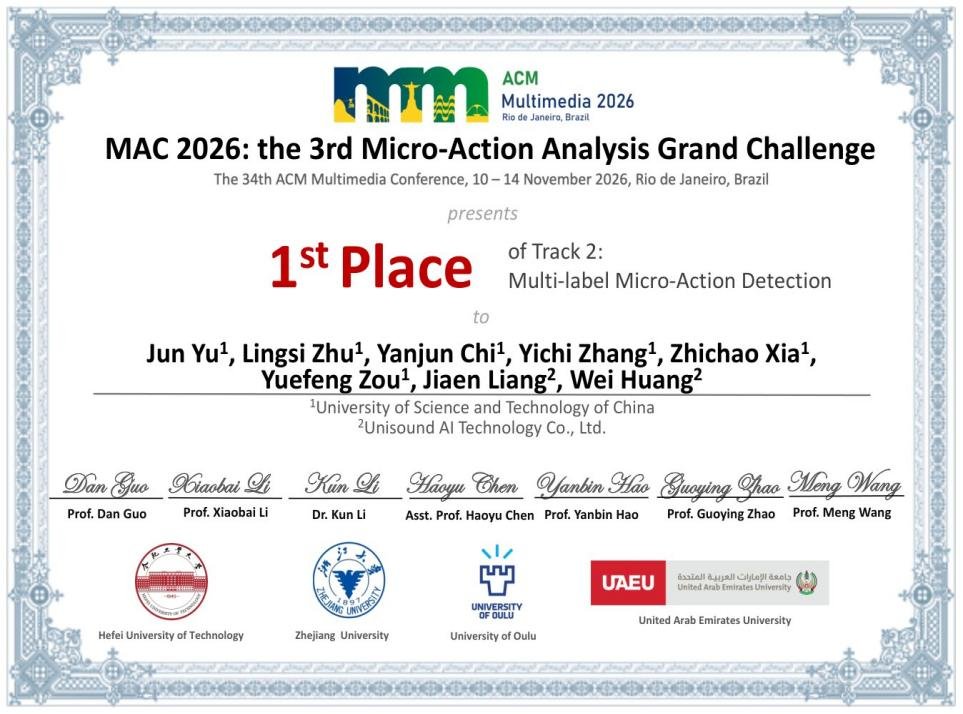
Figure 4. First-place certificate for MAC 2026 Multi-Label Micro-Action Detection (Track 2)
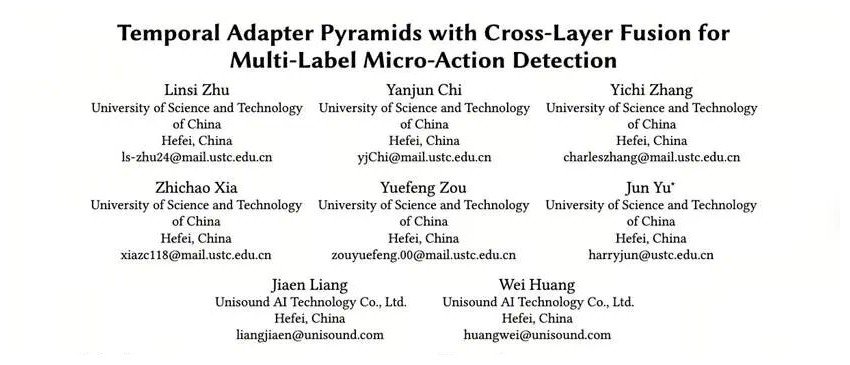
Figure 5. First page of the Temporal Adapter Pyramids paper, presenting the MAC 2026 Track 2 winning solution
LAVA 2026 Teams Take First and Second Place with Advances in Multilingual Document Understanding
At the Grand Challenge on Large Vision-Language Model Learning and Applications (LAVA 2026), two teams comprising researchers from Unisound and USTC took first and second place. The challenge focused on multilingual, multipage PDF documents in languages including Japanese and Vietnamese, requiring models to answer questions and identify the pages containing supporting evidence. It attracted 55 participating teams.
The U2lab-OCR team, comprising Unisound researchers and USTC researchers including Jun Yu, Guanjun Liu and Ke Wang, proposed PageRAG-H, a framework combining page-level visual retrieval with controlled reasoning, and won first place with a score of 0.8930. The USTC-IAT-United team, comprising Unisound researchers and USTC researchers including Jun Yu and Hong Nie, developed a visual question answering framework that integrates hierarchical document parsing with multi-agent collaborative decision-making. By distilling high-confidence decisions into a lightweight model, the team secured second place.
The first- and second-place solutions were presented in “PageRAG-H: Page-Level Visual Retrieval-Augmented Generation with Grounded Reasoning Harness for Multilingual PDF Question Answering” and “Hierarchical Document Parsing and Multi-Agent Collaborative Decision-Making for Long-Document Visual Question Answering,” respectively. Both papers were accepted for publication at ACM MM 2026.
From recognizing text and understanding documents to locating evidence and answering questions, complex document processing places growing demands on multimodal understanding. The research areas explored in the LAVA challenge, including document parsing, visual retrieval and information localization, are also closely related to Unisound’s development of U2-OCR capabilities.
U2-OCR currently supports text recognition, document parsing, structured information extraction and intelligent document question answering. In recent evaluations, U2-OCR ranked first on the OCRBench v2 Chinese leaderboard and second in the overall MDPBench evaluation, demonstrating its ability to recognize and understand complex documents.
In practical applications, Unisound continues to integrate multilingual document intelligence into healthcare and medical insurance workflows. The technology supports use cases such as information extraction from medical insurance settlement lists and intelligent auditing, improving the efficiency of complex document processing.
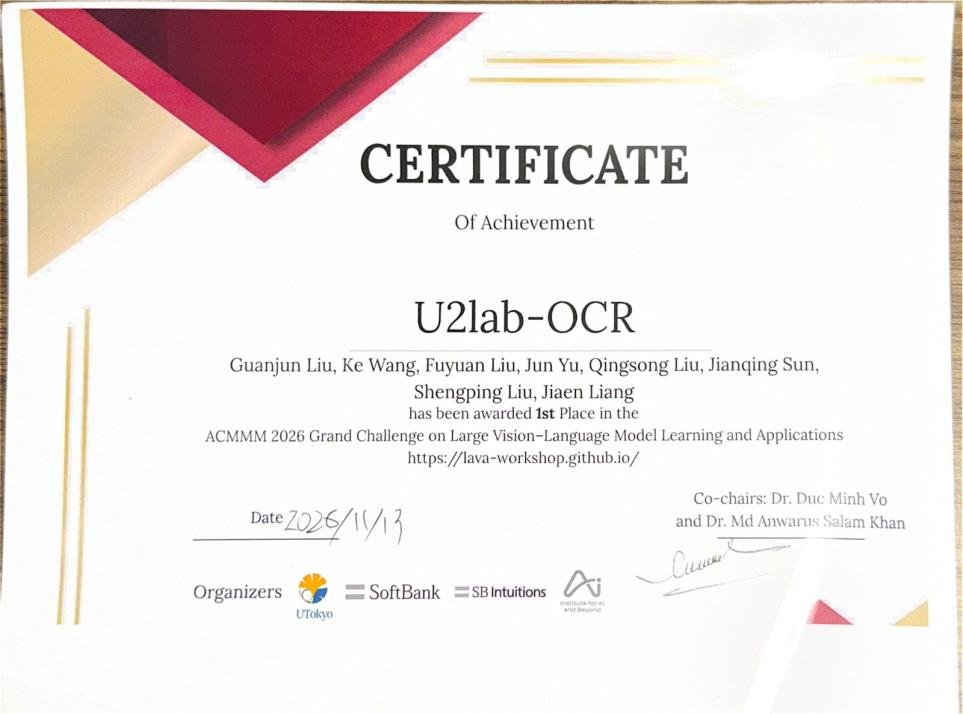
Figure 6. First-place certificate for the LAVA 2026 challenge awarded to the U2lab-OCR team
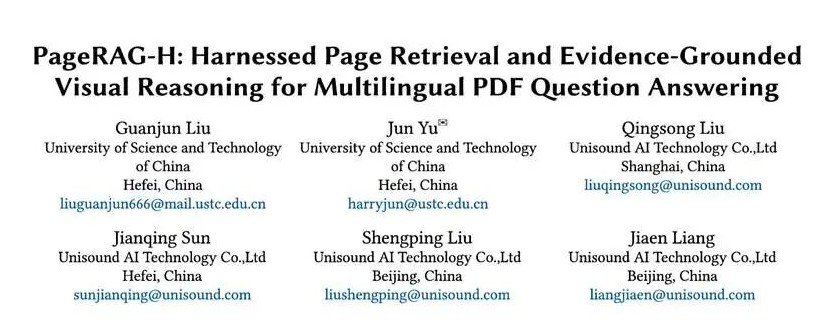
Figure 7. First page of the PageRAG-H paper, presenting the LAVA 2026 winning solution
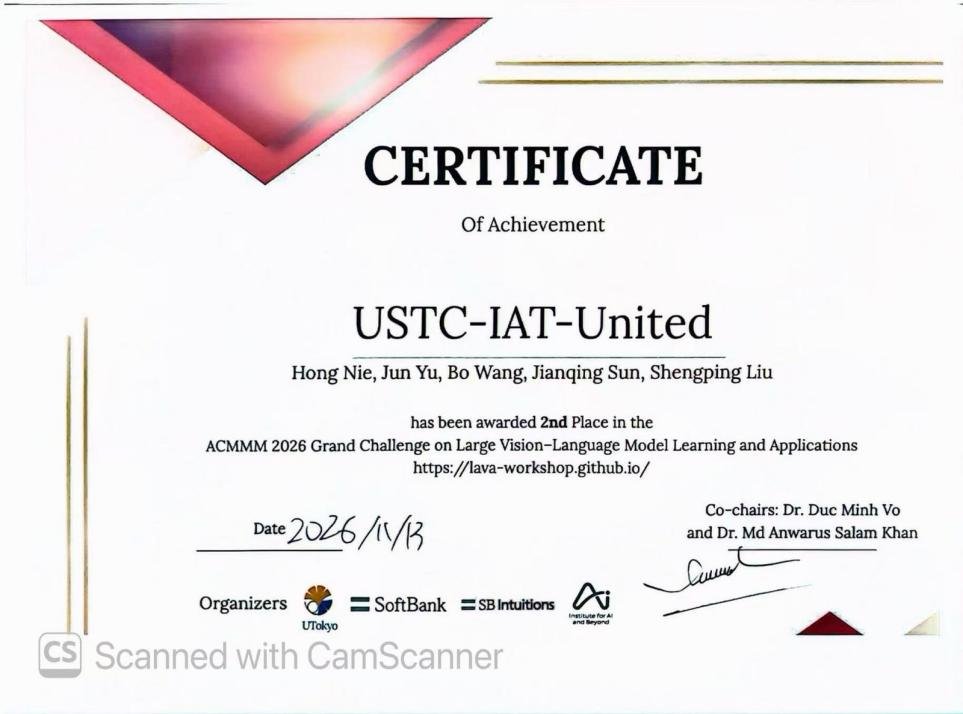
Figure 8. Second-place certificate for the LAVA 2026 challenge awarded to the USTC-IAT-United team
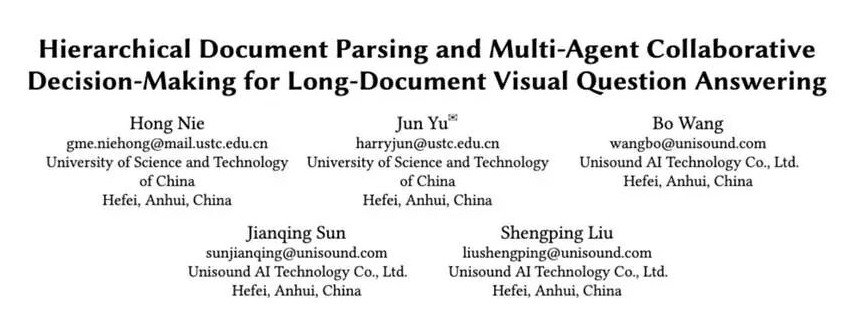
Figure 9. First page of the Hierarchical Document Parsing paper, presenting the LAVA 2026 second-place solution
ACM Multimedia is an influential international academic conference in multimedia and is classified as a CCF A conference by the China Computer Federation. It has long focused on research frontiers including multimodal understanding, video analysis, vision-language models and human-computer interaction. These challenge results demonstrate the research and practical capabilities of Unisound and USTC researchers in areas such as micro-action analysis and multilingual document understanding, as well as the outcomes of their collaboration on technical challenges in complex real-world scenarios.
From recognizing and detecting subtle actions to visual understanding of multilingual and long documents, these studies address practical problems in multimodal intelligence. Unisound will continue to explore the development and application of multimodal technologies, bringing research advances to a wider range of use cases.